Economy and Modern Canada for Citizenship Test
Prepare for your Canadian Citizenship Practice Test with our free, accurate, and up-to-date practice tests. All questions are based on the official Discover Canada guide, helping you study the exact topics covered on the real test — including Canadian history, government, laws, symbols, and more. Track your progress, get instant feedback, and build confidence to pass on your first attempt.

Report a question

What to Expect on the Official Canadian Citizenship Test
Number of Questions
20
Correct Answers to Pass
15
Passing Score
75%
Length of Test
45 min
Economy and Modern Canada – Citizenship Test Study Guide
Canadian Citizenship Practice Test 2026
Understanding Canada’s Economy and Modern Development
The Economy and Modern Canada section is an important part of the Canadian Citizenship Test. It helps applicants understand how Canada’s economy works, what industries drive growth, and how the country participates in the global economy.
Canada has one of the world’s largest and most stable economies. Its success is based on natural resources, strong industries, international trade, and innovation.
Citizenship test questions related to Canada’s economy are based on the official study guide:
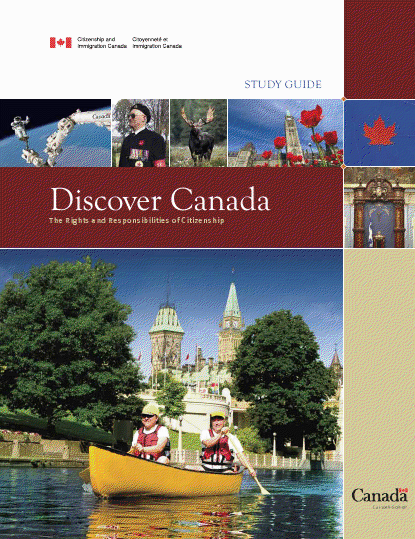
Discover Canada: The Rights and Responsibilities of Citizenship
Studying this topic helps applicants understand Canada’s economic development and its role in the modern world.
Canadian Citizenship Test Practice Questions
Economy and Modern Canada Topics on the Citizenship Test
The citizenship test may include questions about:
• Canada’s major industries
• Natural resources and trade
• Economic regions of Canada
• Canada’s international partnerships
• Innovation and modern development
Understanding these areas will help you answer economy-related questions confidently.
Canada Citizenship Test Questions
Major Industries in Canada
Canada’s economy is supported by a variety of industries that provide jobs and contribute to economic growth.
Natural Resource Industries
Canada is rich in natural resources. Resource-based industries are a major part of the national economy.
Important resource industries include:
• Oil and natural gas production
• Mining and minerals
• Forestry and timber
• Fishing and seafood
These industries are particularly important in regions such as Alberta, British Columbia, and Atlantic Canada.
Manufacturing
Manufacturing is another major sector of the Canadian economy.
Manufacturing industries produce goods such as:
• Automobiles
• Machinery and equipment
• Electronics
• Aerospace technology
Many manufacturing companies are located in Ontario and Quebec, which are major industrial centers in Canada.
Agriculture and Food Production
Canada is one of the world’s leading producers of agricultural products.
Farmers across the country produce:
• Wheat and grains
• Dairy products
• Meat and livestock
• Fruits and vegetables
The Prairie provinces are especially known for their large agricultural production.
Technology and Innovation
Canada has become a global leader in technology and innovation.
Major technology industries include:
• Software development
• Artificial intelligence
• Telecommunications
• Clean energy technology
Cities such as Toronto, Vancouver, Montreal, and Ottawa are important technology hubs.
Innovation helps Canada remain competitive in the global economy.
Free Canadian Citizenship Practice Test
Canada’s Global Trade and Partnerships
International trade plays a major role in Canada’s economy.
Canada exports many goods and services to countries around the world.
Major export products include:
• Energy resources
• Minerals and metals
• Agricultural products
• Manufactured goods
Canada’s largest trading partner is the United States, but the country also trades extensively with Europe, Asia, and other regions.
Trade agreements and partnerships allow Canadian businesses to reach global markets.
Canadian Citizenship Exam Practice
Economic Regions of Canada
Canada’s economy varies by region because of differences in geography, resources, and industries.
Atlantic Canada
The Atlantic provinces rely heavily on:
• Fishing and seafood industries
• Shipbuilding
• Energy resources
• Tourism
Coastal communities have long traditions connected to the ocean.
Central Canada
Ontario and Quebec form the economic heart of Canada.
Major industries in this region include:
• Manufacturing
• Finance and banking
• Technology
• International trade
Many large companies and government institutions are located in this region.
Prairie Provinces
The Prairie provinces—Manitoba, Saskatchewan, and Alberta—are known for:
• Agriculture
• Oil and natural gas
• Mining and energy production
These industries contribute significantly to Canada’s export economy.
West Coast
British Columbia has a diverse economy supported by:
• Forestry
• International trade through Pacific ports
• Film and entertainment
• Tourism and technology
The province also plays a major role in trade with Asian countries.
Northern Canada
The northern territories—Yukon, Northwest Territories, and Nunavut—have smaller populations but rich natural resources.
Economic activities include:
• Mining
• Energy development
• Tourism
• Indigenous cultural industries
Northern development is important for Canada’s long-term economic growth.
Canada Citizenship Test Preparation
Innovation and Economic Development
Innovation is a major factor in Canada’s modern economy.
Canadian businesses and universities contribute to research and development in many fields.
Important areas of innovation include:
• Medical research
• Environmental technology
• Artificial intelligence
• Renewable energy
The Canadian government supports innovation through education, research funding, and technology programs.
These investments help create new industries and improve economic productivity.
Discover Canada Practice Questions
Canada’s Role in the Global Economy
Canada is considered one of the world’s most advanced economies.
The country participates in international organizations and trade networks that promote economic cooperation.
Canada is known for:
• Strong banking and financial systems
• Stable economic policies
• International trade partnerships
• High levels of education and innovation
These strengths help Canada remain competitive in global markets.
Canadian Citizenship Mock Test
Why Use Our Canadian Citizenship Practice Tests
Our platform helps thousands of applicants prepare for the Canadian Citizenship Test.
Benefits include:
• Realistic exam-style questions
• Instant feedback and explanations
• Unlimited free practice tests
• Mobile-friendly study experience
• Updated questions based on the official guide
Practicing regularly can significantly increase your confidence before the real exam.
Canadian Citizenship Mock Test
Sample Canadian Citizenship Test Question
Here is an example of an economy-related question that may appear on the citizenship test.
Question:
Which country is Canada’s largest trading partner?
A. United Kingdom
B. China
C. United States
D. Japan
Correct Answer:
C – United States
The United States is Canada’s largest trading partner and shares the longest international border with Canada.
Canadian Citizenship Mock Test
How to Study Economy and Modern Canada for the Citizenship Test
1. Learn Major Canadian Industries
Focus on industries such as:
• Natural resources
• Manufacturing
• Agriculture
• Technology
These sectors frequently appear in citizenship test questions.
2. Understand Regional Economies
Each region of Canada has unique industries and economic strengths.
Learning these differences will help answer geography and economy questions.
3. Study Trade and Global Partnerships
International trade is central to Canada’s economy.
Make sure you understand Canada’s major trading relationships.
4. Practice Citizenship Test Questions
Practice tests help you become familiar with the exam format and improve memory retention.
You can practice here:
https://citizenshiptest.online/canadian-citizenship-practice-test/
Canadian Citizenship Mock Test
Why Understanding Canada’s Economy Matters
Learning about Canada’s economy helps new citizens understand how the country supports jobs, trade, and economic development.
It also helps citizens appreciate:
• Canada’s global economic influence
• The importance of innovation and technology
• The role of natural resources and industries
• Economic opportunities across the country
Understanding these topics allows citizens to better participate in Canada’s modern society.
Online Canadian Citizenship Test Practice
Frequently Asked Questions
What are Canada’s major industries?
Major industries include natural resources, manufacturing, agriculture, technology, and services.
Who is Canada’s largest trading partner?
The United States is Canada’s largest trading partner.
What region of Canada is known for agriculture?
The Prairie provinces are known for large-scale agriculture and grain production.
Why is innovation important for Canada?
Innovation helps create new technologies, industries, and economic growth.
Is Canada considered a strong global economy?
Yes. Canada is one of the world’s leading economies with strong trade partnerships and stable financial systems.
Canada Citizenship Test Preparation
Key Topics Covered in the Citizenship Test
The Canadian Citizenship Test covers several important subjects.
Canadian History
Learn about major historical events including Confederation, early exploration, and modern developments.
Canadian Government
Understand the structure of Parliament, the roles of the Prime Minister and Governor General, and how elections work.
Rights and Responsibilities
Citizens have rights such as freedom of expression and responsibilities such as obeying the law and voting.
Geography
You should know Canada’s provinces, territories, major regions, and natural resources.
Canadian Symbols
Important national symbols include the maple leaf, national anthem, and Canadian flag.
Economy & Modern Canada
Learn about Canada’s modern economy, industries, and role in the world.
Discover Canada – The Rights and Responsibilities of Citizenship
Discover Canada: The Rights and Responsibilities of Citizenship is used by newcomers to study for the citizenship test. It also contains information about the history of Canada, how our government works, symbols of Canada and its regions.